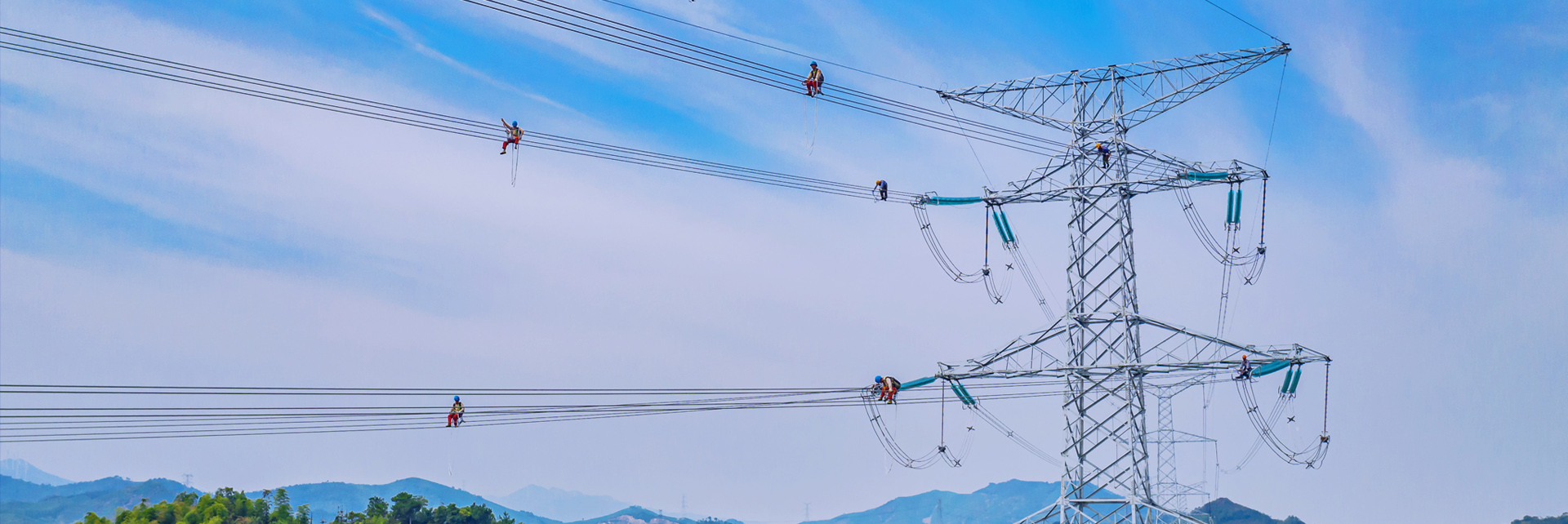
Power grid operations and maintenance personnel have discovered that, as the grid expands, problems caused by birds are no longer “isolated incidents.” Nowadays, at a single substation or along a single power line, the annual workload involved in removing bird nests and washing away bird droppings alone is more than enough to keep them busy. Maintenance costs are skyrocketing, and the risk of equipment damage remains ever-present.
Ultimately, as the power grid expands, bird activity is also on the rise. When the two intersect, conflicts arise. It’s not a matter of who is right or wrong, but rather a question of how to find a way to coexist peacefully with birds while ensuring the safety of the power supply.
Bird control in power grids is an ongoing effort. Zhenqu Bird Control Technology’s laser bird repeller has been gaining increasing attention in recent years for a simple reason: it does the work for people, 24 hours a day, nonstop—as soon as the laser shines, the birds fly away.
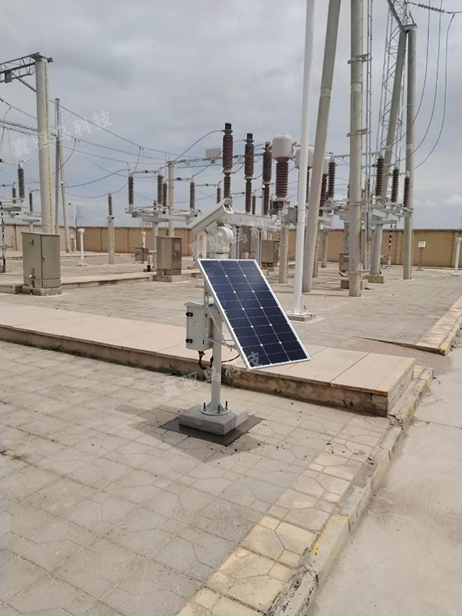
When in operation, it emits a green laser beam with a wavelength of 532 nanometers, scanning back and forth within a range of 3 to 200 meters around the equipment. As soon as birds sense this discomfort, they will fly away on their own, leaving the area where the power facilities are located.
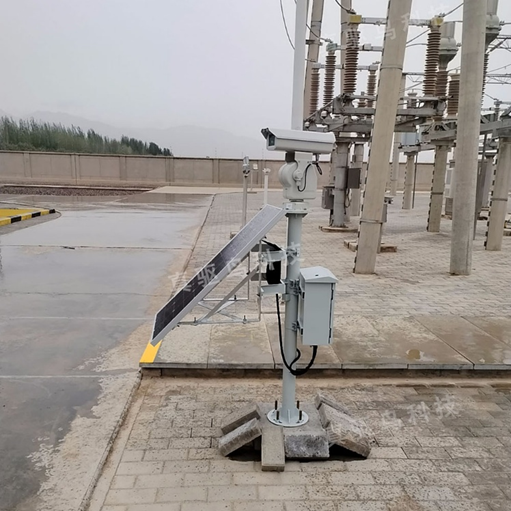
In terms of intelligence, some bird deterrent devices used in the past either required manual operation or had unsatisfactory results when set to operate at fixed times and locations. The biggest difference with Zhenqu Bird Technology’s laser bird deterrent is that it works on its own and operates automatically. How is this achieved? The answer is that during the initial installation, engineers use the local control system to preset the laser’s scanning path and operating schedule—and that’s all there is to it. At the set time, the device automatically activates the laser and scans back and forth along the preset route; once the scan is complete, it automatically shuts down and enters standby mode.
The entire process is seamlessly integrated; there’s no need to make a special trip in inclement weather to operate the equipment, not a single minute is wasted, and once set up, it remains effective long-term.