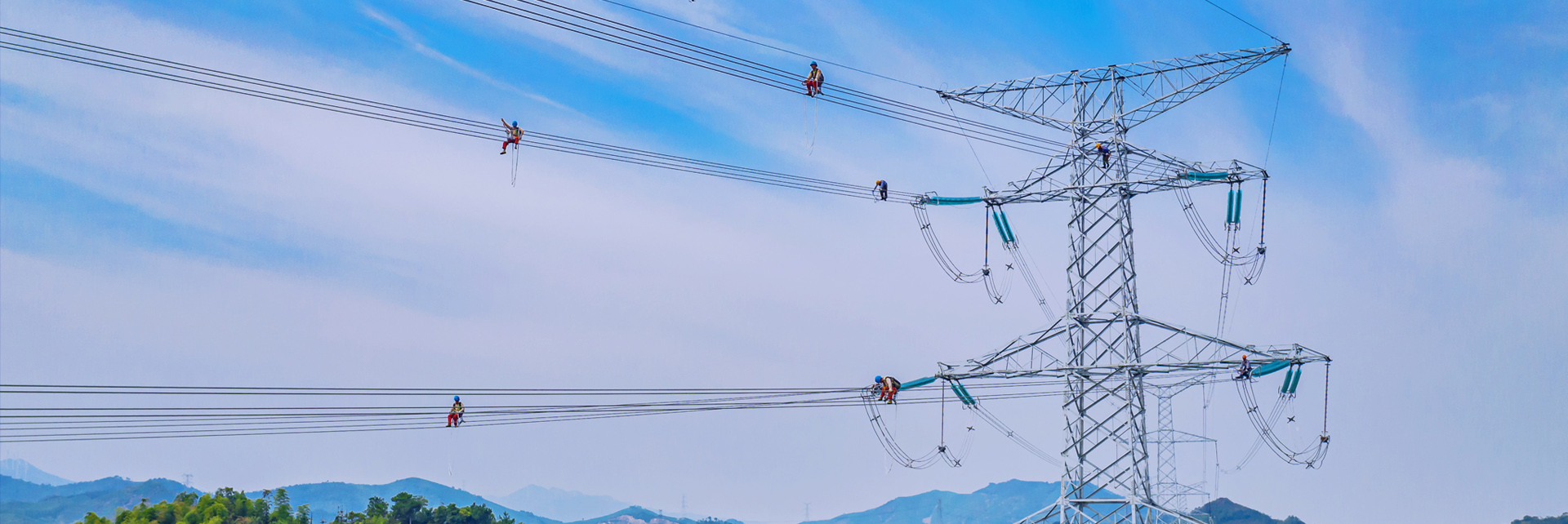
If you see those towering power transmission towers out in the countryside, take a closer look at their double crossarms. Sometimes, you’ll notice bright red, umbrella-like objects perched on them. These aren’t decorations—they’re devices specifically installed by power line technicians to deter nesting birds. Today, let’s talk about this ingenious device—the double-crossarm bird deterrent—which has made a name for itself in the power grid bird control industry by “reserving seats.”
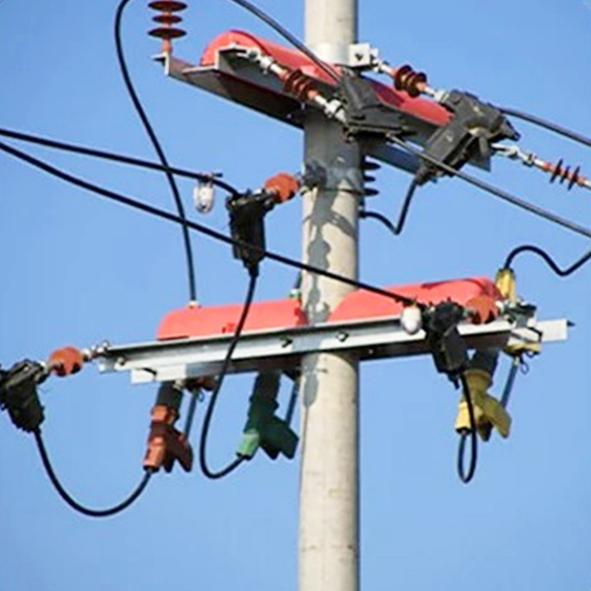
Zhenqu Bird Control Technology’s Double-Crossarm Tower Bird Deterrent Position Holder operates on a very simple principle: if I can’t scare you away, I’ll just take the spot first. It’s like a backpack placed on a seat in advance, clearly telling anyone coming later, “This seat is taken.” When birds fly in excitedly with twigs in their beaks, ready to start building their nests, they’ll find this slippery, sloped object standing on what was once a flat crossarm. Want to land? They can’t get a firm footing. Want to place a twig? It won’t stay put.
After a few failed attempts, the birds naturally got the message: this place isn’t exactly welcoming—better find somewhere else! This method doesn’t harm the birds or cause any bloodshed; it simply uses physical space to encourage the birds to retreat gracefully. It’s nothing short of “civilized enforcement” in the world of bird deterrence!
Don’t let the bird deterrent’s appearance as a simple plastic part fool you—we actually use a new type of composite material. Whether it’s the sweltering summer heat of the “Three Fires” in the south or the bitter cold of the “Three Nines” in the north, it won’t become brittle or crack. Its resistance to aging is top-notch, and as an insulator, it doesn’t conduct electricity. When installed on power towers, it won’t interfere with power line operations at all—safety is guaranteed! For power companies, bird deterrent spacers are the undisputed king of value for money. They’re cost-effective yet have an extremely long service life—once installed, they require virtually no maintenance.
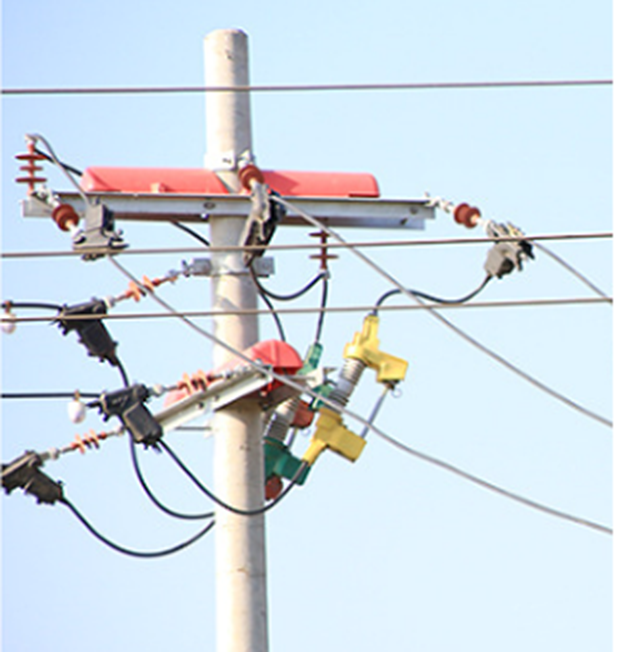
This “seat-reserving” method of physical bird control not only keeps the lights on in millions of homes but also helps birds avoid those deadly high-voltage power lines, allowing them to seek their true homes in the vast forests. This “each in its proper place”—where technology and nature coexist—is surely the harmonious scene we in the power industry most want to see!