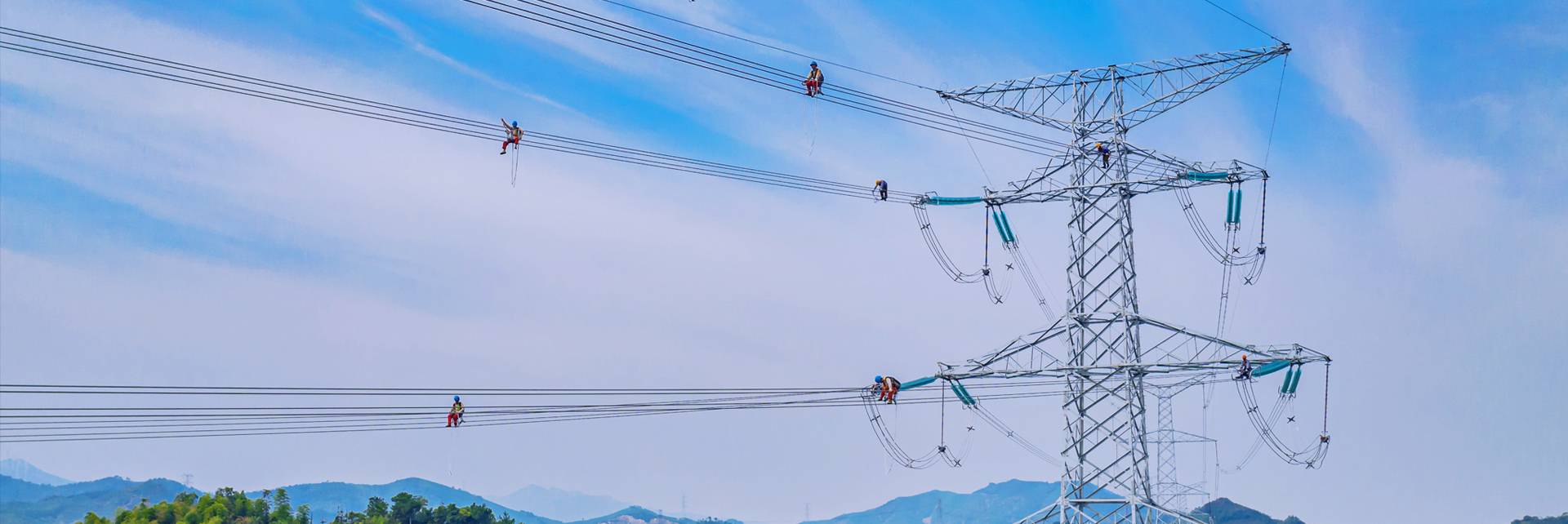
Every spring and fall, power line inspectors discover large numbers of bird nests on utility poles and at substations. Twigs, wire, and droppings—these seemingly insignificant “building materials”—pose hidden risks of short circuits, circuit breakers tripping, and even fires. Preventing bird-related damage has become an unavoidable challenge in power grid operations and maintenance.
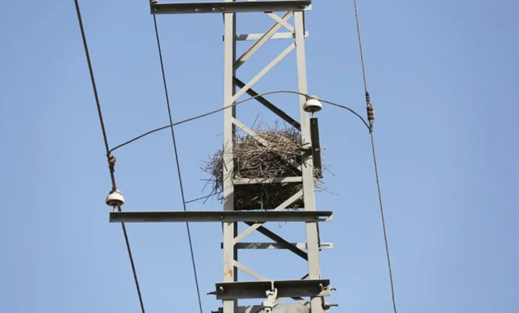
Traditional bird deterrents, such as reflective mirrors, spikes, and ultrasonic repellents, are effective at first, but birds are highly adaptable and soon become desensitized to them. More importantly, many of these devices operate continuously, day and night, once activated, which not only consumes energy but also makes it difficult to maintain their deterrent effect over the long term.
How can we achieve precise, long-lasting bird deterrence without harming the birds? Zhenquniao—Solar-Powered AI Smart Laser Bird Deterrent ZQN-DZ-AI offers a new approach.
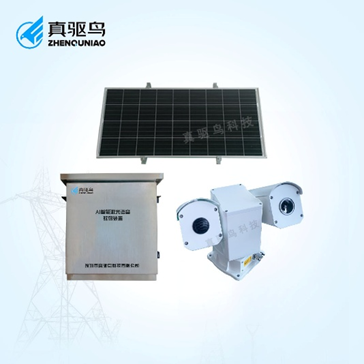
At the heart of this system is an AI video recognition system. It uses high-definition cameras to monitor the area around the device in real time; the system automatically activates the bird deterrent program only when birds enter the warning zone. When no birds are present, the system remains silent, which not only prevents unnecessary operation but also delays the development of habitual tolerance in birds. Once triggered, the device first emits a 532-nanometer green laser. This wavelength significantly stimulates the birds’ visual system; as the laser sweeps across them, the birds experience intense discomfort and fly away voluntarily. The effective coverage range varies from 2 meters to 300 meters. At the same time, the device emits high-frequency ultrasonic waves ranging from 8 to 35 kHz, which act on the birds’ nervous system to create an unbearable acoustic environment. Combined with built-in natural alarm sounds—such as eagle calls, gong sounds, and firecracker noises—the system provides a three-dimensional deterrent that engages the birds’ visual, auditory, and neurological senses.
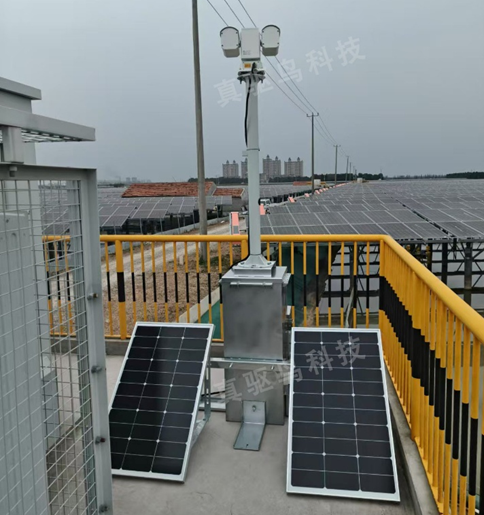
In terms of power supply, the equipment uses a combination of solar power and batteries and is compatible with grid power, making it suitable for variable outdoor environments. Notably, it supports remote on/off control and can be integrated with the China Southern Power Grid and State Grid intranets, as well as provincial power monitoring platforms, allowing operations and maintenance personnel to perform routine management and policy adjustments without having to climb the tower frequently.
As the power system accelerates its digital transformation, bird deterrence is no longer limited to manual methods or fixed devices. Using visual recognition to “detect” the arrival of birds and employing green lasers and intelligent sound waves to “alert” them—rather than harm them—may be a more sustainable and rational approach to coexistence.