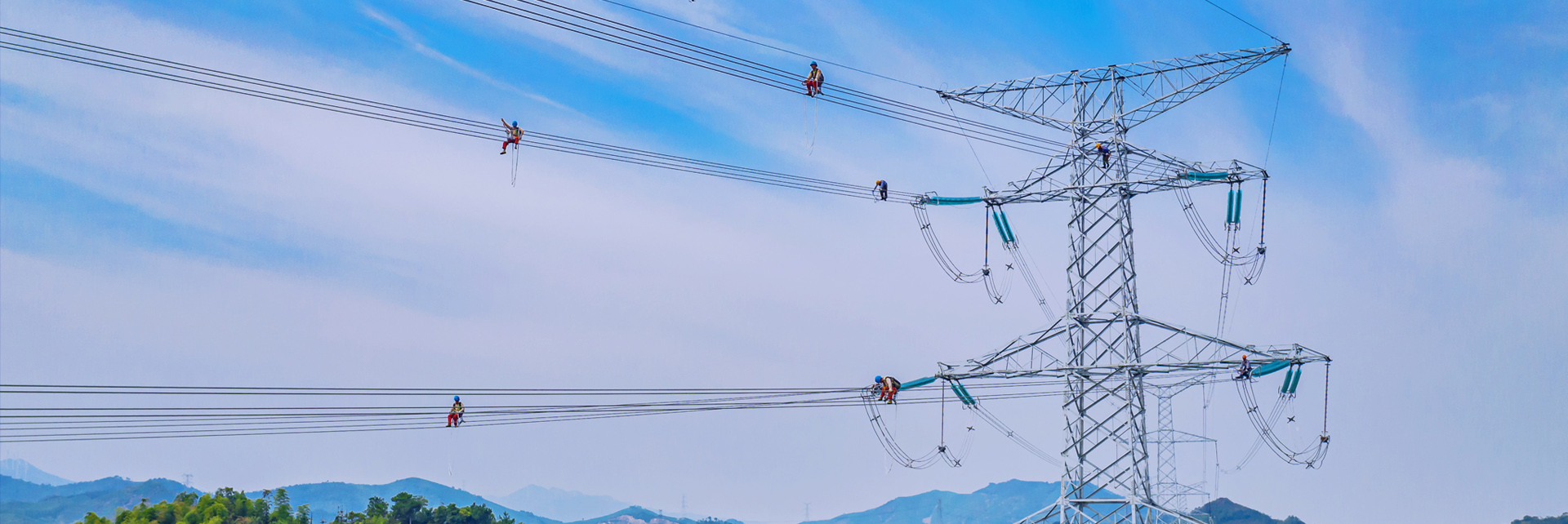
Every spring, as the weather warms and flowers bloom, birds become more active, and power poles become their “ideal nesting spots.” However, debris such as fallen branches and wires from these nests often pose a hidden risk of causing short circuits and ground faults. To ensure the reliability of the power supply, power companies are frequently forced to carry out live-line relocation of these nests. This not only increases operational and maintenance pressures but also poses a potential threat to the safety of the birds’ habitats.
Shenzhen Zhenqu Bird Control Technology’s Crossarm Bird Deterrent Spacer ZQN-DL-ZW works by “reserving” nesting spots on utility poles and other locations preferred by birds, thereby rendering structures that would otherwise be suitable for nest-building unsuitable for use. Upon discovering that these locations have been “occupied,” birds will actively seek out alternative sites. This approach reduces line failures caused by bird nests at the source without the need for chasing or harming the birds.
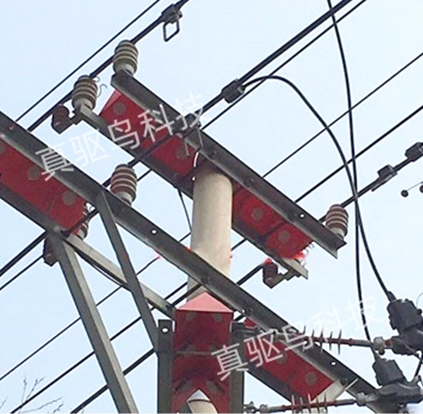
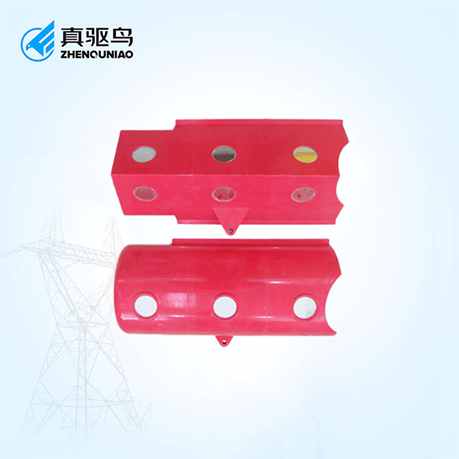
The crossarm bird deterrent spacer is made of a new composite material, offering excellent insulation and weather resistance. It can withstand the rigors of outdoor environments—including prolonged exposure to sunlight and rain, as well as temperature fluctuations—over the long term and is highly durable. Additionally, the device supports live-line installation, eliminating the need for power outages. This makes installation convenient and efficient, significantly reducing both installation complexity and time costs. With relatively low production costs and a long service life, these spacers effectively reduce the manpower and material resources required by operations and maintenance units for bird control, while also lightening the burden of daily maintenance.
It can be said that electrical safety and ecological conservation are not irreconcilable. Products such as bird deterrent spacers on crossarms are a perfect example of how these two goals can be balanced. They ensure the safe and stable operation of the power grid while also providing birds with a safer habitat, thereby preventing injuries caused by accidental contact with power facilities.