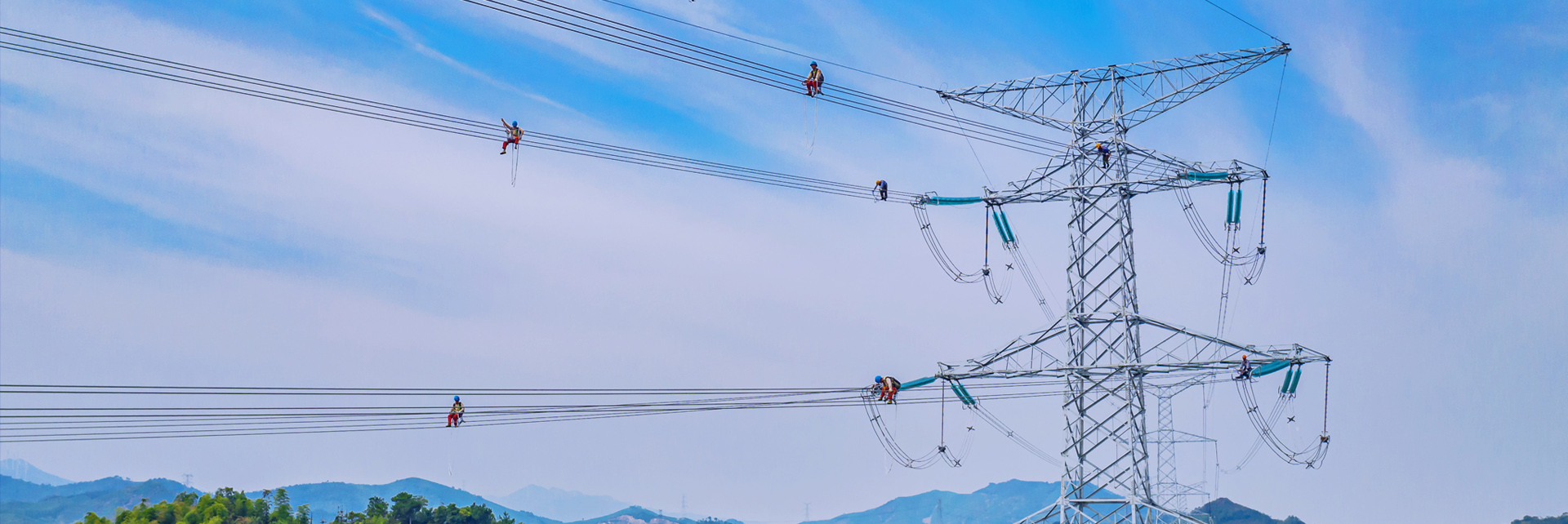
Birds' nesting preferences have exposed a critical safety vulnerability in power grids—they particularly favor nesting on tension poles and corner poles of power transmission towers. While the crossarms and fittings at these locations appear flat and open, making them seemingly ideal nesting spots, they conceal multiple risks:
1. Short-circuit hazards caused by debris: When birds build nests, they carry materials such as iron wire, aluminum wire, and branches. If such debris accidentally comes into contact between two conductors or falls between conductors and towers, it can directly cause power lines to short-circuit and trip.
2. Electrocution risks to birds themselves: During nesting, birds travel back and forth between conductors and towers, where their wings or bodies may accidentally contact high-voltage lines, resulting in instant electrocution. Even after nests are built, falling chicks may come into contact with live components, causing injury or death.
3. The Nest Removal Dilemma in Operations: Traditional methods rely solely on maintenance crews climbing towers to dismantle nests, but birds often rebuild them the very next day. One transmission line saw 17 nests removed within a single month—a process that consumes significant manpower without fundamentally solving the problem.
The core of these issues lies in birds finding suitable nesting sites. By occupying these locations in advance to prevent birds from building nests, the risk can be mitigated at its source. The bird deterrent position blocker is designed precisely with this approach in mind.
Shenzhen Zhenquniao Technology's ZQN-DL-ZW Bird Deterrent Occupancy Blocker prevents birds from nesting by "reserving" their nesting sites. Once installed at locations birds commonly choose for nesting, it effectively "pre-books" their building plots. When birds attempt to land, they encounter a slippery slope instead of a flat surface. Branches cannot support their weight, and wires cannot hold them in place. After several failed attempts, they will seek alternative nesting sites. This approach not only eliminates safety hazards caused by bird nests but also reduces the risk of birds being injured by electric shocks or short circuits.
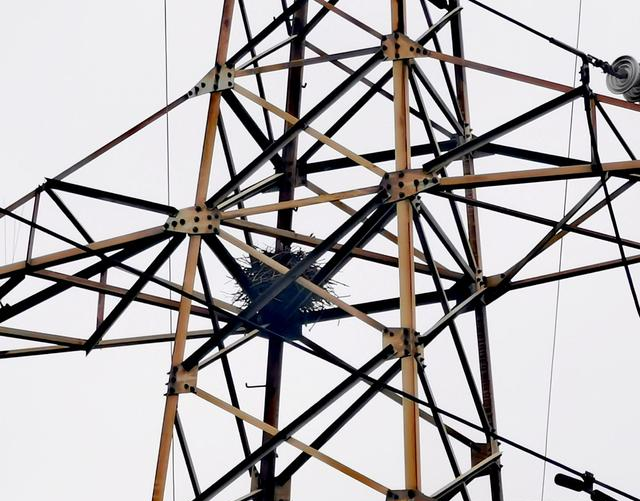
This bird deterrent device is crafted from a new composite material that withstands wind and sun exposure while enduring extreme temperatures, ensuring long-term use without aging. Targeting "nesting points on towers," it preemptively occupies space to prevent birds from building nests, thereby reducing the risk of debris falling and birds being electrocuted at the source.