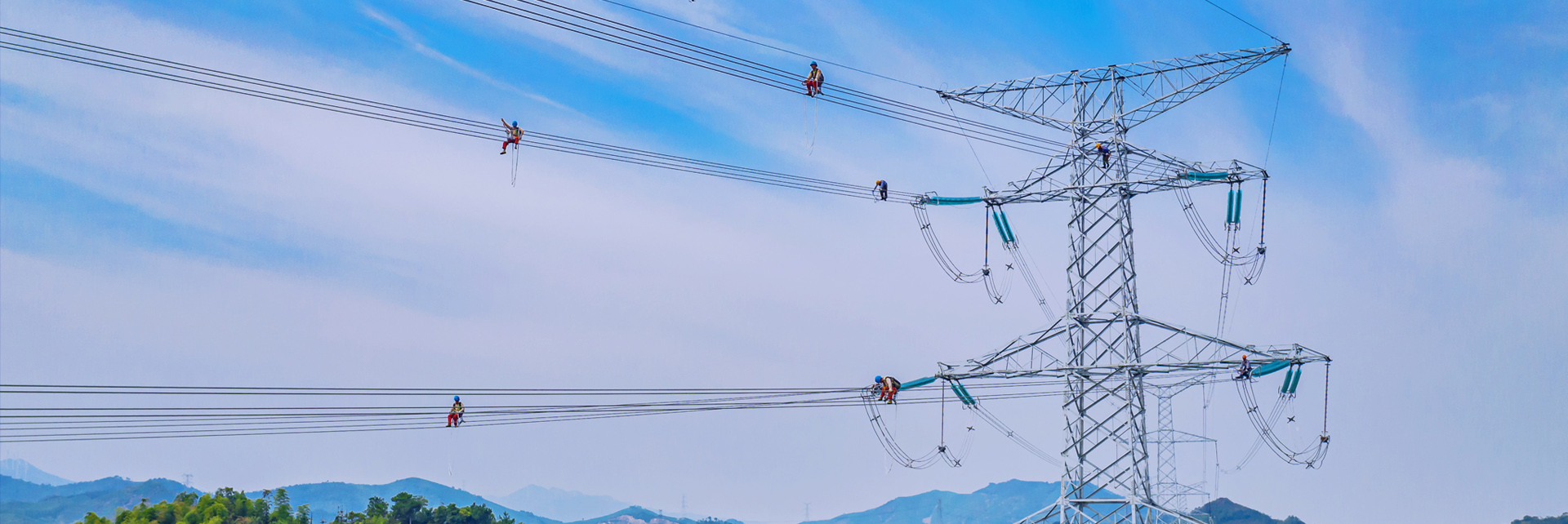
The hazards posed by birds to power transmission lines are a problem that cannot be ignored, primarily manifesting in the following aspects:
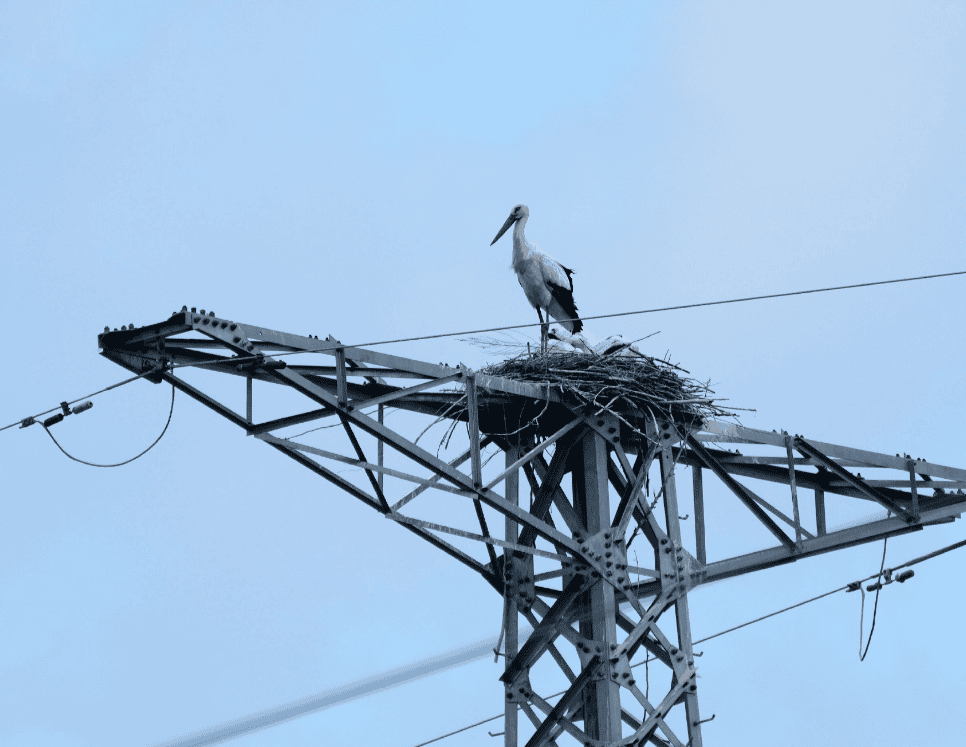
1. The Hazards Posed by the Bird's Nest
Birds often build nests on transmission line towers. Nesting materials such as wire and branches they carry may fall between crossarms and conductors, potentially causing line discharge and tripping accidents. Additionally, when nests on towers are blown off by wind and land on live conductors or insulators, they can cause short-circuit ground faults. During cold seasons, birds seeking warmth may build nests on transmission equipment with heating functions, further increasing the risk of line failures.
2. The Hazards of Bird Droppings
Bird droppings also pose a significant hazard to power transmission lines. When accumulated on insulator strings, they form a conductive film that causes insulator flashover, leading to line tripping. Particularly in humid conditions, the conductivity of bird droppings increases, further elevating the risk of flashover incidents. Additionally, some raptors nesting on utility pole crossarms exhibit a tendency to peck at insulators. This behavior reduces the service life of the insulators, compromising their intended functionality.
3. Short-circuit hazards in bird bodies
During flight, particularly for larger birds, contact between outstretched wings or other body parts and power lines can reduce the air gap distance between phases or between a phase and ground on overhead transmission lines. This may cause air breakdown, leading to tripping of the overhead transmission line.
4. Bird Picking Damage
Birds occasionally peck at the skirt or protective cover of composite insulators on power transmission lines, causing damage to the insulators and jeopardizing the safe operation of the lines. This hazard is typically caused by small birds.
5. Other Hazards
In addition to the primary hazards mentioned above, birds may also impact the safe operation of transmission lines through other means. For instance, bird nests may attract other species such as snakes to climb utility poles, and the activities of these animals can also cause line short circuits or ground faults. Furthermore, when birds are active near transmission lines, they face lethal threats from accidents like electrocution or collisions with wires, which may also result in power outages or equipment damage.
We understand the challenges birds pose to power grids and recognize that various bird deterrent solutions exist on the market. For instance, Shenzhen Zhenqu Bird Technology's Portable Laser Bird Repeller is a handheld laser device that manually activates laser beams to stimulate birds, effectively addressing bird control needs across diverse scenarios. The Portable Laser Bird Repeller leverages birds' sensitivity to specific wavelengths of light. By emitting a green laser beam, it creates an environment that birds perceive as uncomfortable or threatening, prompting them to leave the area and achieving effective bird deterrence.